A Winter Summer, Alipore Jail Museum Kolkata 2025-26








Excerpts from the press release:
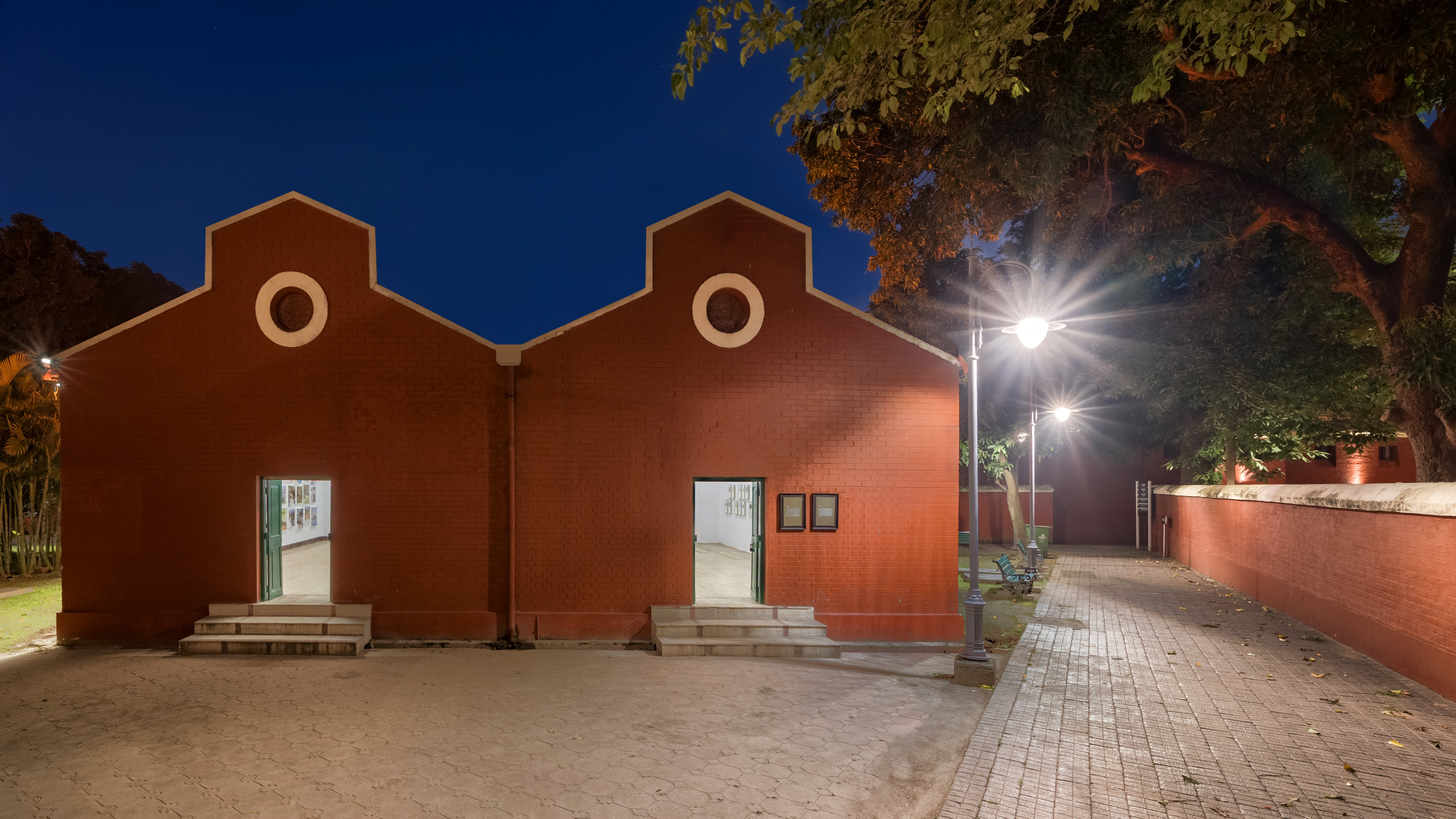
Experimenter presents A Winter Summer, Sohrab Hura’s solo opening at the historic Alipore Museum, which marks the India debut of two seminal bodies of work - Snow and The Song of Sparrows in a Hundred Days of Summer. Reflecting on the transition of snow in Kashmir and the scorching summer in Barwani, Madhya Pradesh, the photographs also consider two fundamentally different social, economic, and political landscapes through the unravelling of two extreme seasons.
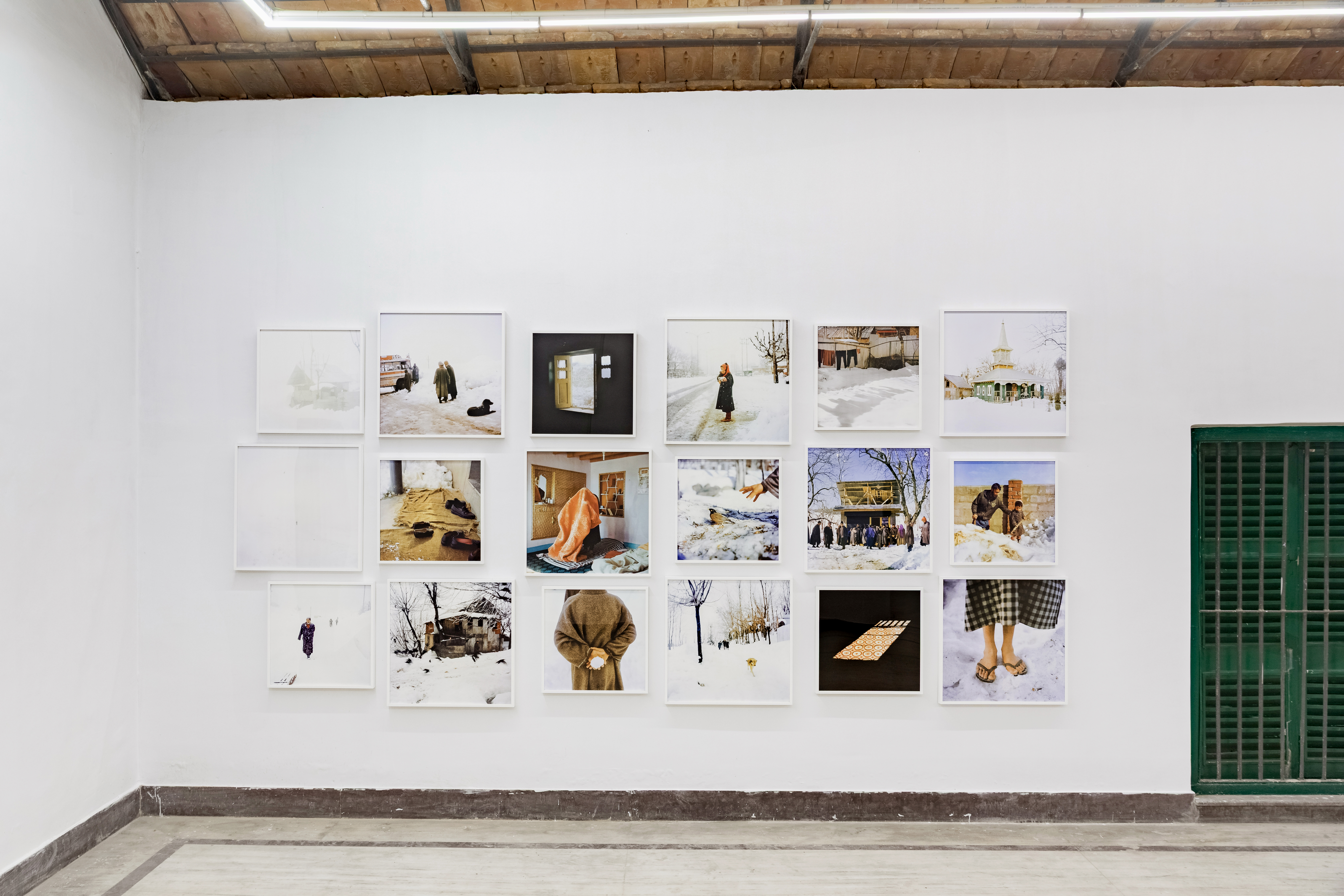
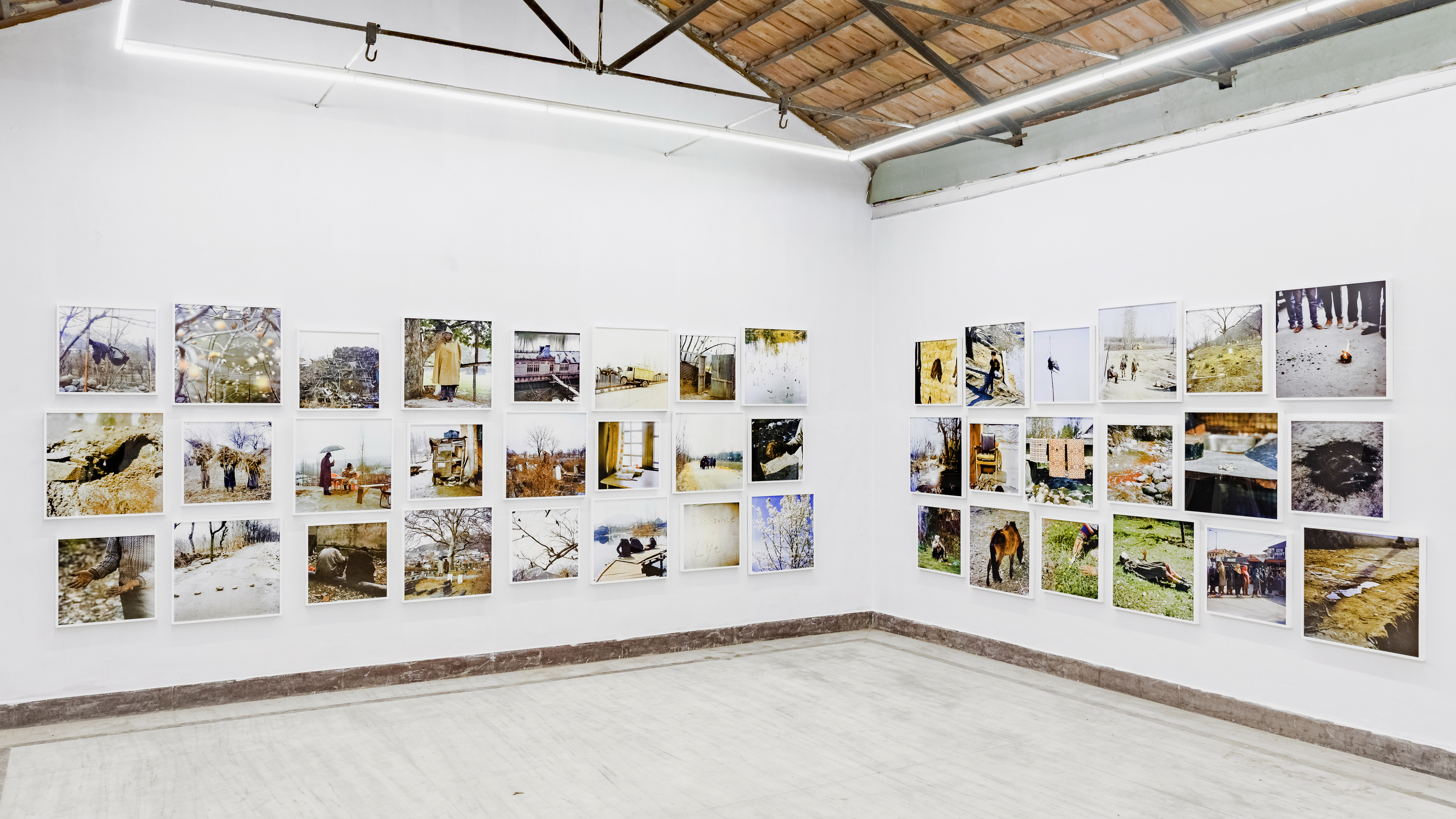
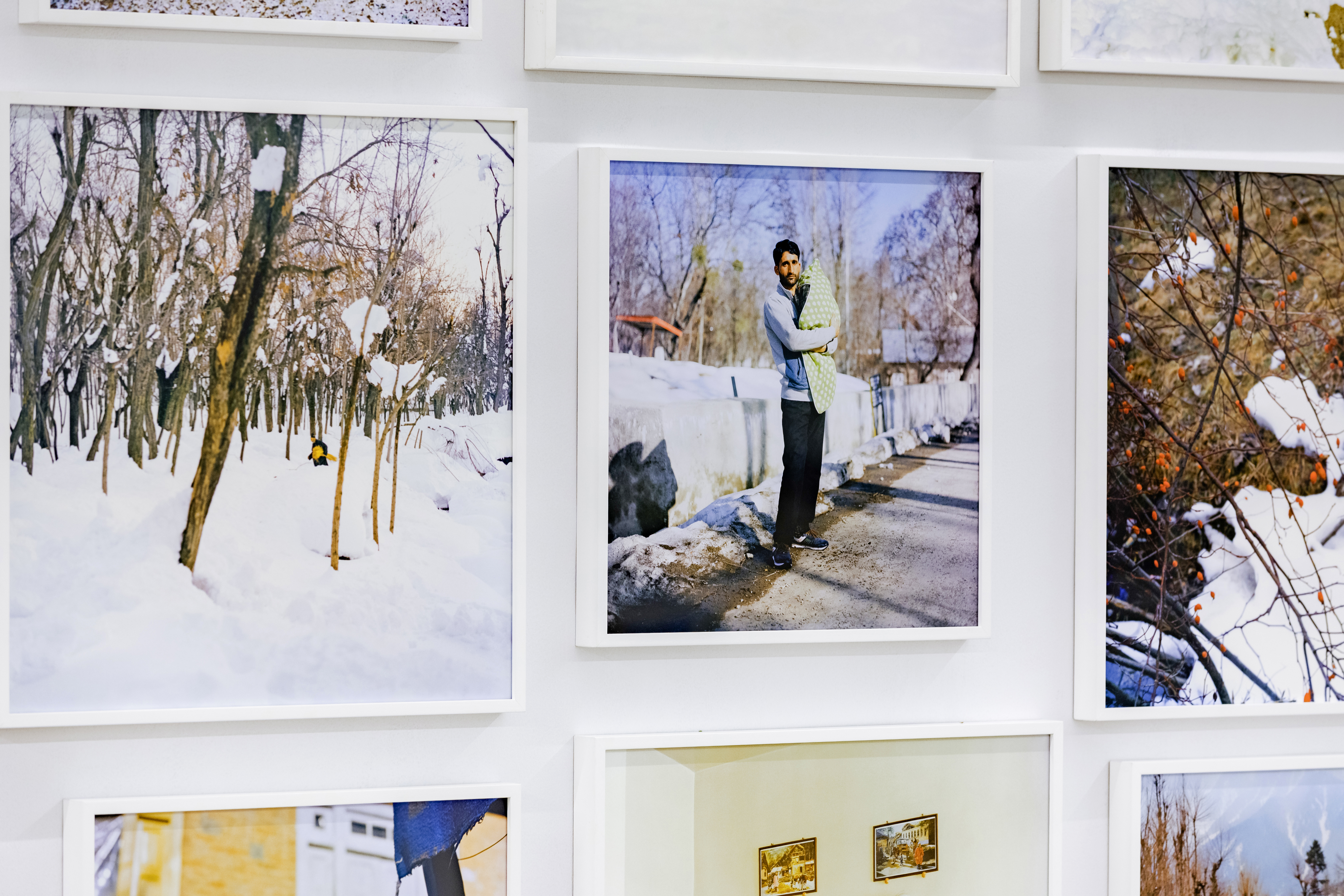
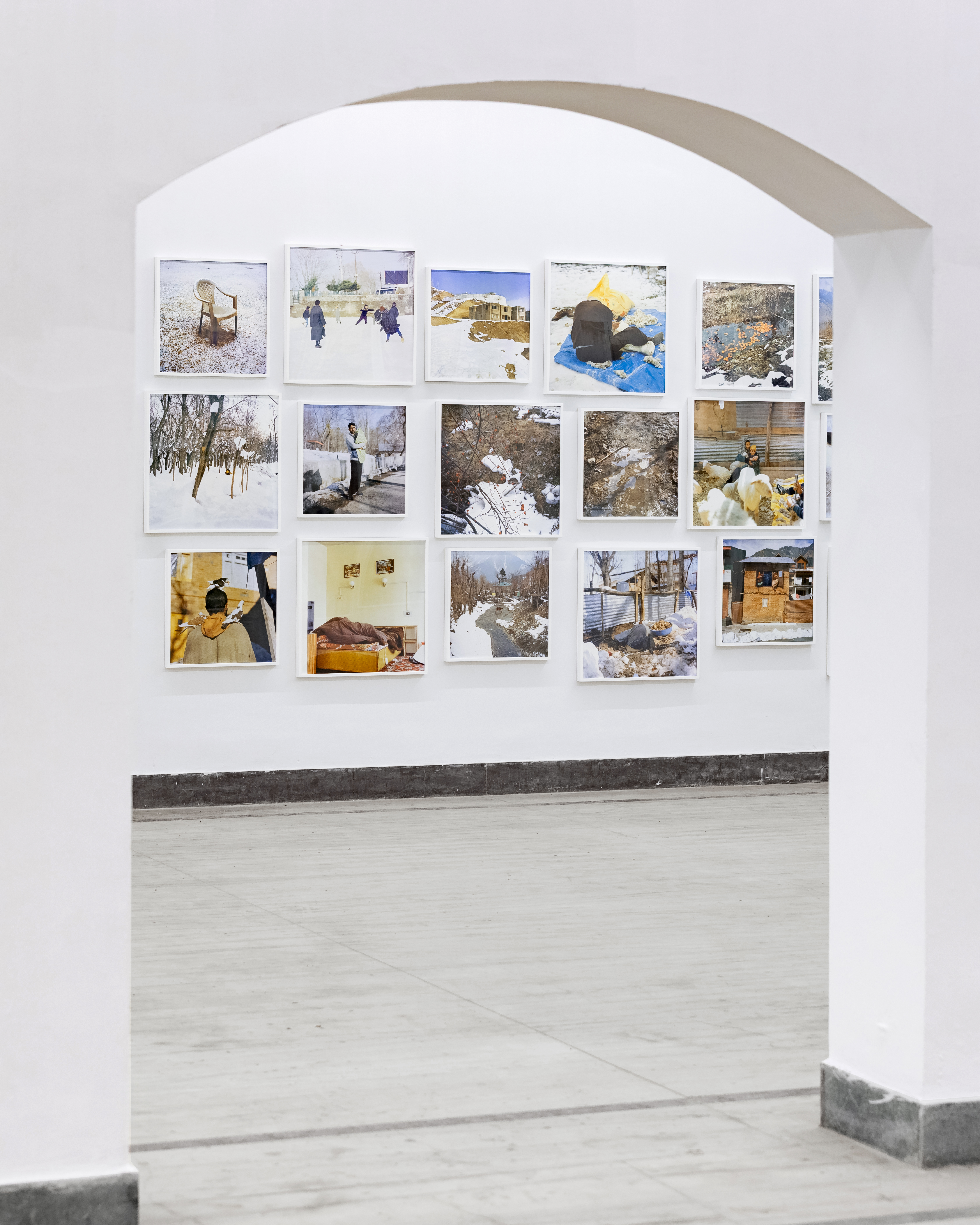
Hura documents Kashmir through the passage of winter in Snow, which occurs in three distinct phases: Chillai Kalan (harsh cold), Chillai Khurd (small cold), and Chillai Bachha (baby cold). Snow registers the progression through these phases. The melting of the snow offers a metaphor for the fraught conditions of the region and a deliberate disruption of the illusion of a ‘paradise’—where the picturesque gives way to residual markers of conflict and violence. Hura’s gaze as an outsider anchors the images while also underscoring how the complexities in the region demand a deeper introspection. Known for its mesmerising beauty, Kashmir has been promoted as an idyllic tourist destination for Indian nationals to experience snow, even as the area remains one of the most militarised in the world—an incongruity that served as inspiration for this work. While Hura visited Kashmir dozens of times over almost a five-year period, his last visit, for a friend’s wedding, in August 2019, was cut short when the Indian government removed Kashmir’s semi-autonomous status through Article 370, and a siege ensued. The body of work compels us to think about how the prolonged impact of everyday violence is much more expansive and ambiguous than what we continuously absorb from the constant stream of propaganda in mainstream media and popular entertainment.
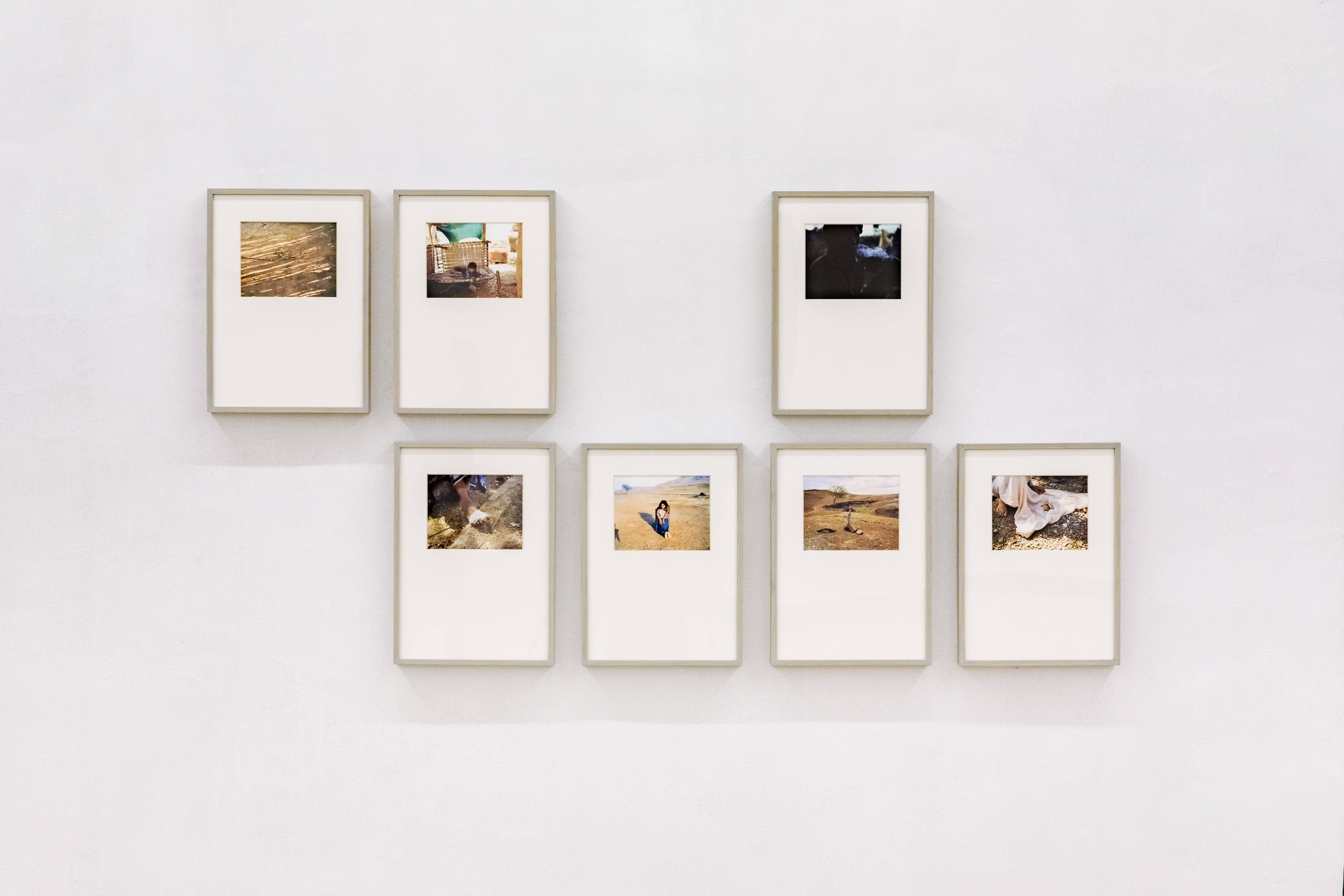
The Song of Sparrows in a Hundred Days of Summer began in 2013
when Hura started photographing the summer in Savariyapani, a small
village panchayat secluded amongst the barren landscape at Barwani in
the central state of Madhya Pradesh in India. The body of work also has
connections with Hura’s earlier works, Land of a Thousand Struggles
(2005–06) and video work Pati (2010/2020 Iteration), which emerged
from a fifty-day bus journey he undertook across rural north India with
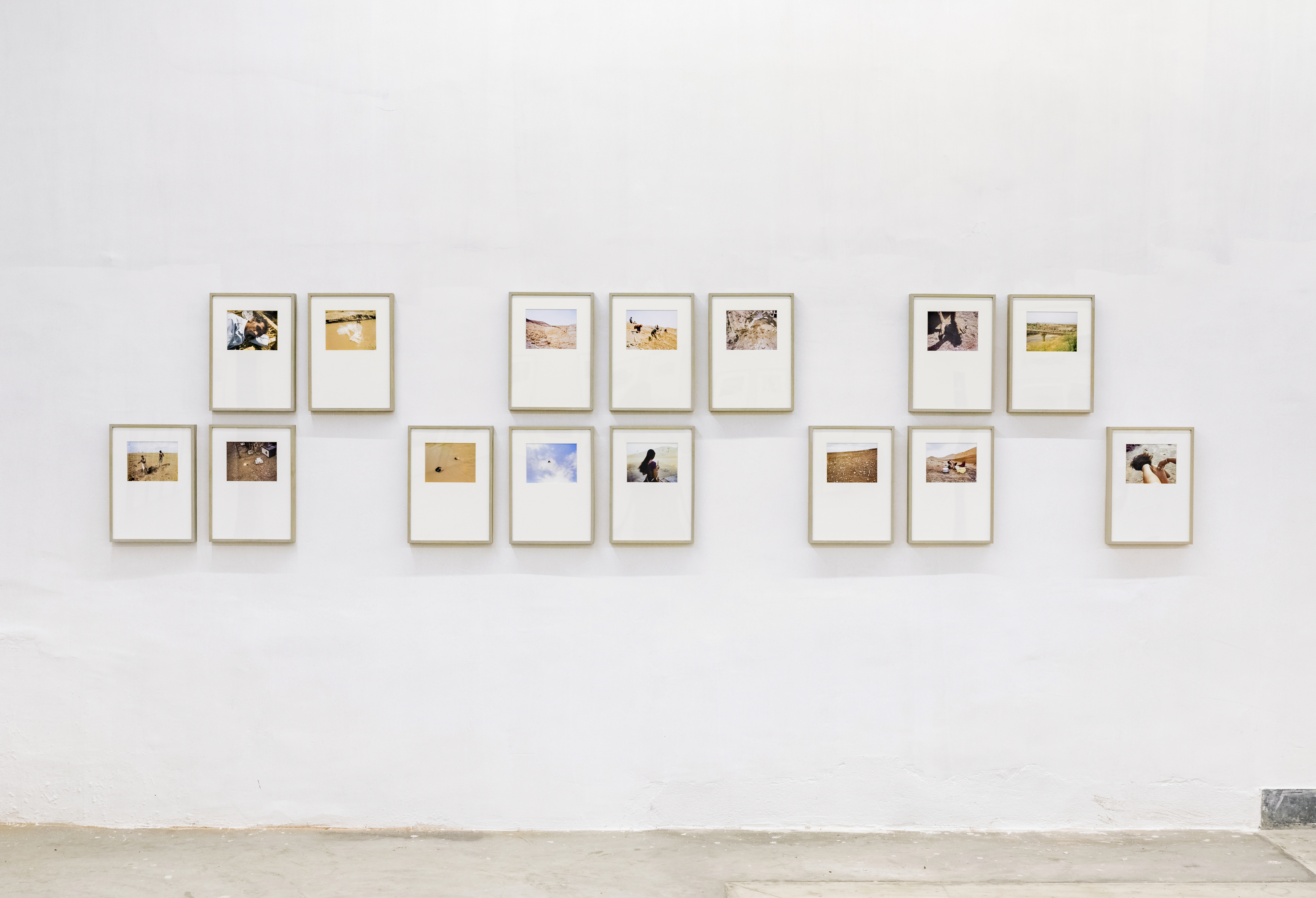
his university professor Jean Drèze and others for a grassroots movement in rural India that led to an important social security act. It was on this journey that he first encountered Pati, a cluster of village panchayats in Madhya Pradesh, where he would return to work over the next fifteen years, sustained by the relationships forged there. In The Song of Sparrows in a Hundred Days of Summer, which brings alive the contours of a parched region with little rainfall and extreme temperatures, Hura transcends beyond just depicting the chokehold of heat. The photographs evoke the murmurs of an ephemeral state, seeking to capture the pulse of a place and its lived realities-often overlooked, and lost amid the swirls of a dust storm or the languor of an afternoon.
In an upcoming iteration of the exhibition at Experimenter – Colaba (Mumbai) in the summer of 2026, Pati will be on view alongside a four-channel video of Snow, which pairs Hura’s imagery with appropriated television footage from the 1980s and ‘90s, which informed the understanding of Kashmir for his generation in India. These clips proffer divergent takes on the region, including Bollywood films made in Kashmir, interviews by separatist leaders, and news broadcasts espousing “the rise of terrorism,” interspersed with quotidian footage from the region.
Through these two bodies of work—emerging from different seasons, places, and moments—A Winter Summer examines the contrasts and connections that both divide and unite them, while revealing the layers of contradiction, deceit, and hierarchy often buried within the familiar subconscious.
Install photography by Vivienne Sarky
Experimenter presents A Winter Summer, Sohrab Hura’s solo opening at the historic Alipore Museum, which marks the India debut of two seminal bodies of work - Snow and The Song of Sparrows in a Hundred Days of Summer. Reflecting on the transition of snow in Kashmir and the scorching summer in Barwani, Madhya Pradesh, the photographs also consider two fundamentally different social, economic, and political landscapes through the unravelling of two extreme seasons.
Hura documents Kashmir through the passage of winter in Snow, which occurs in three distinct phases: Chillai Kalan (harsh cold), Chillai Khurd (small cold), and Chillai Bachha (baby cold). Snow registers the progression through these phases. The melting of the snow offers a metaphor for the fraught conditions of the region and a deliberate disruption of the illusion of a ‘paradise’—where the picturesque gives way to residual markers of conflict and violence. Hura’s gaze as an outsider anchors the images while also underscoring how the complexities in the region demand a deeper introspection. Known for its mesmerising beauty, Kashmir has been promoted as an idyllic tourist destination for Indian nationals to experience snow, even as the area remains one of the most militarised in the world—an incongruity that served as inspiration for this work. While Hura visited Kashmir dozens of times over almost a five-year period, his last visit, for a friend’s wedding, in August 2019, was cut short when the Indian government removed Kashmir’s semi-autonomous status through Article 370, and a siege ensued. The body of work compels us to think about how the prolonged impact of everyday violence is much more expansive and ambiguous than what we continuously absorb from the constant stream of propaganda in mainstream media and popular entertainment.
The Song of Sparrows in a Hundred Days of Summer began in 2013
when Hura started photographing the summer in Savariyapani, a small
village panchayat secluded amongst the barren landscape at Barwani in
the central state of Madhya Pradesh in India. The body of work also has
connections with Hura’s earlier works, Land of a Thousand Struggles
(2005–06) and video work Pati (2010/2020 Iteration), which emerged
from a fifty-day bus journey he undertook across rural north India with
his university professor Jean Drèze and others for a grassroots movement in rural India that led to an important social security act. It was on this journey that he first encountered Pati, a cluster of village panchayats in Madhya Pradesh, where he would return to work over the next fifteen years, sustained by the relationships forged there. In The Song of Sparrows in a Hundred Days of Summer, which brings alive the contours of a parched region with little rainfall and extreme temperatures, Hura transcends beyond just depicting the chokehold of heat. The photographs evoke the murmurs of an ephemeral state, seeking to capture the pulse of a place and its lived realities-often overlooked, and lost amid the swirls of a dust storm or the languor of an afternoon.
In an upcoming iteration of the exhibition at Experimenter – Colaba (Mumbai) in the summer of 2026, Pati will be on view alongside a four-channel video of Snow, which pairs Hura’s imagery with appropriated television footage from the 1980s and ‘90s, which informed the understanding of Kashmir for his generation in India. These clips proffer divergent takes on the region, including Bollywood films made in Kashmir, interviews by separatist leaders, and news broadcasts espousing “the rise of terrorism,” interspersed with quotidian footage from the region.
Through these two bodies of work—emerging from different seasons, places, and moments—A Winter Summer examines the contrasts and connections that both divide and unite them, while revealing the layers of contradiction, deceit, and hierarchy often buried within the familiar subconscious.
Install photography by Vivienne Sarky